
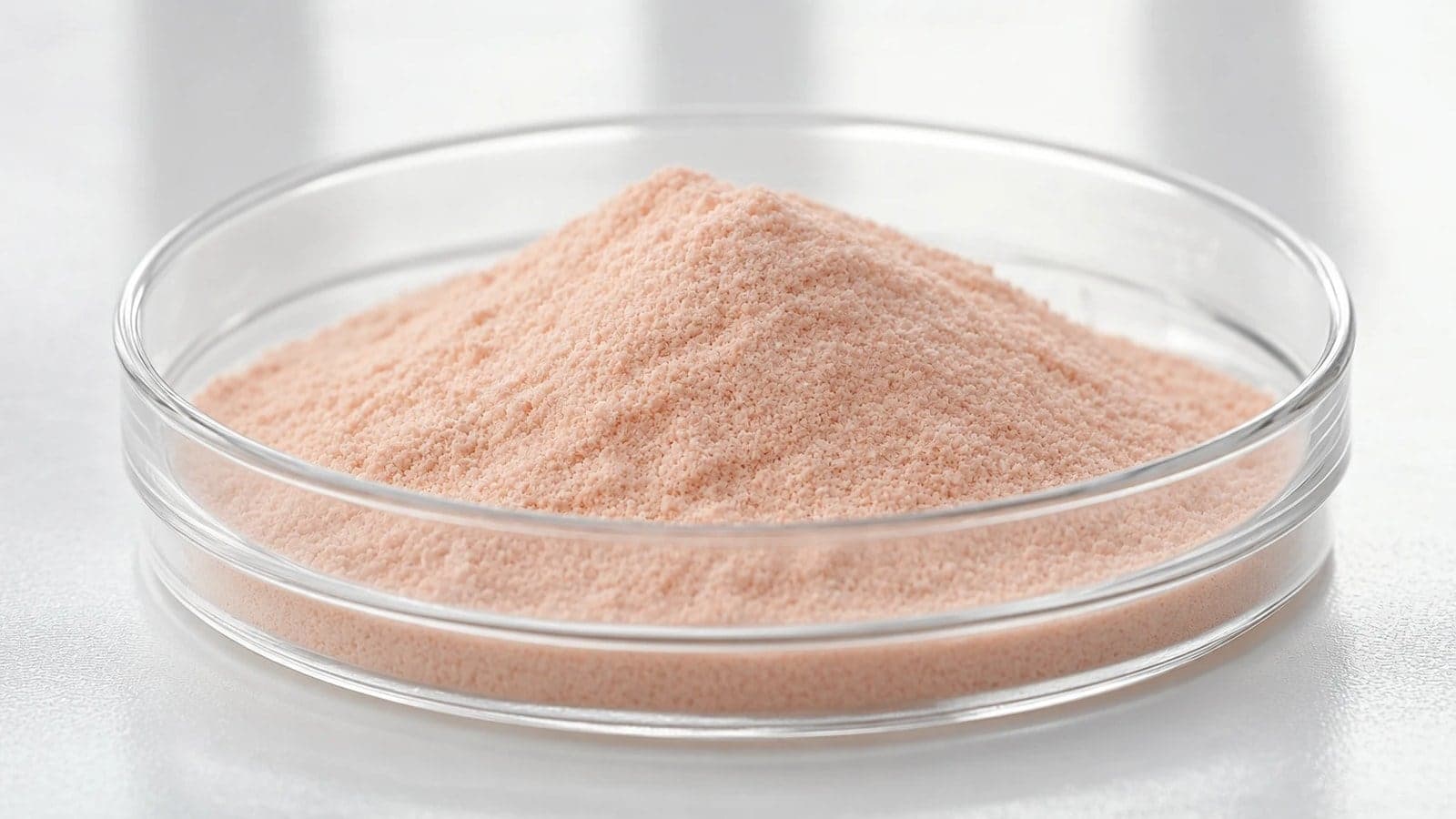
 示意圖,僅供參考,商品以實物為準
Selenite Cystine Broth Base
亞硒酸鹽胱胺酸液體基礎培養基
別名與縮寫:SC · Selenite Cystine Broth Base w/o Biselenite · SC 培養液 · 亞硒酸鹽胱胺酸增菌液 · 沙門氏菌選擇性增菌液
For the selective enrichment of Salmonella species from food, water, and other materials, following the addition of sodium hydrogen selenite.
- 類別
- 粉末培養基
- 每公升溶解量
- 19.01 g
- 包裝規格
- 500 g · 5 kg · 25 kg
資料更新:2026-11-06
產品說明
Selenite Cystine Broth Base(亞硒酸鹽胱胺酸培養液基礎,SC)是沙門氏菌的選擇性增菌液:亞硒酸鈉抑制大腸桿菌群與腸球菌等雜菌,胱胺酸提升沙門氏菌的回復率,磷酸鹽維持 pH。台灣食藥署「沙門氏桿菌之檢驗」與 FDA BAM 在前增菌後把檢液轉種 SC 與四硫代硫酸鹽培養液兩種增菌液並行,再分別劃線分離平板。亞硒酸鹽受熱不穩定,配製時加熱溶解即可、不可高壓滅菌,並於當天使用。基礎配方,依方法調整。
原理
Selenite enrichment broth was introduced by Leifson for the isolation of Salmonella, and the addition of L-cystine by North and Bartram improved its recovery.¹ʼ² Tryptone supplies nitrogen, amino acids, and peptides. Sodium hydrogen selenite is the selective agent: it inhibits Gram-positive bacteria and many Gram-negative organisms, including coliforms and enterococci, during the first 6 to 12 hours of incubation, while Salmonella is relatively tolerant. Lactose is fermented by the competing flora, and the resulting acid, together with the phosphate buffer, holds the pH in the range in which selenite remains effective; a rise in pH would reduce its toxicity to competing organisms. L-Cystine acts as a reducing agent and enhances the recovery of Salmonella. Growth is indicated by turbidity, often with a red precipitate of reduced selenium, and enrichment cultures are subcultured onto selective plating media.³
厭氧菌與挑剔菌培養基
厭氧菌與營養需求較高的菌種需要含有還原劑、血液或浸出液成分的培養基,並配合厭氧培養環境。部分培養基需要在滅菌後添加血液、血清或抗生素等易受熱破壞的成分,添加時機與方式請依配製說明操作。
配製與使用
Suspend 19.01 g of powder in 1 L of purified water containing 4 g of sodium hydrogen selenite. Heat with continuous stirring and bring to the boil for 1 minute. DO NOT AUTOCLAVE. Dispense into sterile tubes and use on the day of preparation. Test the finished medium for performance using stable, standard control cultures.
培養性能測試
| 測試菌株 | ATCC | 生長情形 |
|---|---|---|
| Salmonella enterica ser. Typhimurium | 14028 | good-luxuriant |
| Salmonella enterica ser. Enteritidis | 13076 | good-luxuriant |
| Escherichia coli | 25922 | inhibited-partial |
| Enterococcus faecalis | 29212 | inhibited |
產品特色
- 依標準配方製造,每公升溶解量 19.01 g
- 出廠前以標準菌株驗證培養效能(Salmonella enterica ser. Typhimurium、Salmonella enterica ser. Enteritidis、Escherichia coli、Enterococcus faecalis)
- 500 g / 5 kg / 25 kg 三種以上包裝,研究室到工業規模都適用
- 可提供 COA、規格書與技術資料表,支援樣品申請
- 台灣製造,供貨穩定
台灣公告檢驗方法
這支產品對應台灣公告檢驗方法中點名的培養基:食藥署「食品微生物之檢驗方法」與「化粧品中微生物之檢驗方法」、環境部水質微生物檢測方法(NIEA)、中華藥典。方法內容以各機關現行公告版本為準。
- 食品微生物之檢驗方法-沙門氏桿菌之檢驗MOHWM0025.01增菌方法原文名稱:亞硒酸胱胺酸培養液(Selenite cystine broth, SC)
各機關公告的是檢驗方法,不認證培養基品牌;方法要求的蛋黃、血液、抗生素等補充物請依方法添加。
常見問題
01這支培養基符合台灣公告的檢驗方法嗎?
各機關公告的是檢驗方法,不認證培養基品牌。本產品對應下列公告方法中點名的培養基:食品微生物之檢驗方法-沙門氏桿菌之檢驗(MOHWM0025.01):增菌。依方法原文的標準配方製造,每批附 COA;方法要求的蛋黃、血液、抗生素等補充物請依方法添加,方法內容以各機關現行公告版本為準。
02每公升要加多少克粉末?
每公升去離子水加 19.01 g;配製與滅菌條件依規格書。
03適用哪些菌種?
腸桿菌科、革蘭氏陰性菌、病原菌、沙門氏菌、Salmonella enterica ser. Typhimurium、Salmonella enterica ser. Enteritidis、Escherichia coli、Enterococcus faecalis。詳見培養性能表與規格書。
04這個產品要怎麼配製?
Suspend 19.01 g of powder in 1 L of purified water containing 4 g of sodium hydrogen selenite. Heat with continuous stirring and bring to the boil for 1 minute. DO NOT AUTOCLAVE. Dispense into sterile tubes and use on the day of preparation. Test the finished medium for performance using stable, standard control cultures.
05大量採購如何詢價?可以提供 COA 嗎?
可以。本產品提供 500 g、5 kg、25 kg 等包裝規格,請於詢價時說明應用場景與用量,一個工作天內回覆,並可提供 COA、規格書與技術資料表。
06台灣有現貨嗎?交期多久?
本產品在新北市汐止的自有工廠生產、台灣出貨,不需進口與清關。交期依庫存與包裝規格而定,詢價時告知品項與用量,我們會一併回覆現貨狀況與交期;急件請在詢價單註明。
07可以開立統一發票嗎?學校與研究機構可以請購嗎?
可以。我們開立台灣統一發票(含營業稅),學校、研究機構與公家單位可依請購流程先索取報價單再下單;小包裝與樣品申請都接受。
08有中文版的 SDS 與規格書嗎?
有。規格書(TDS)與 SDS 以英文版為標準文件,登入後可在產品頁下載;中文版 SDS 依需求提供,請在詢價單或聯絡表單註明品項與用途,我們會隨報價寄出。每批出貨附 COA。
延伸閱讀
參考文獻
- 1. Leifson E., 1936. New selenite enrichment media for the isolation of typhoid and paratyphoid (Salmonella) bacilli. Am. J. Hyg., 24:423-432.
- 2. North W. R. and Bartram M. T., 1953. The efficiency of selenite broth of different compositions in the isolation of Salmonella. Appl. Microbiol., 1:130-134.
- 3. U.S. Food and Drug Administration, Bacteriological Analytical Manual, Chapter 5, Salmonella.