
Cultivated meat: plant-based nutrients to lower media cost
Plant protein hydrolysates to replace part of the serum and costly components
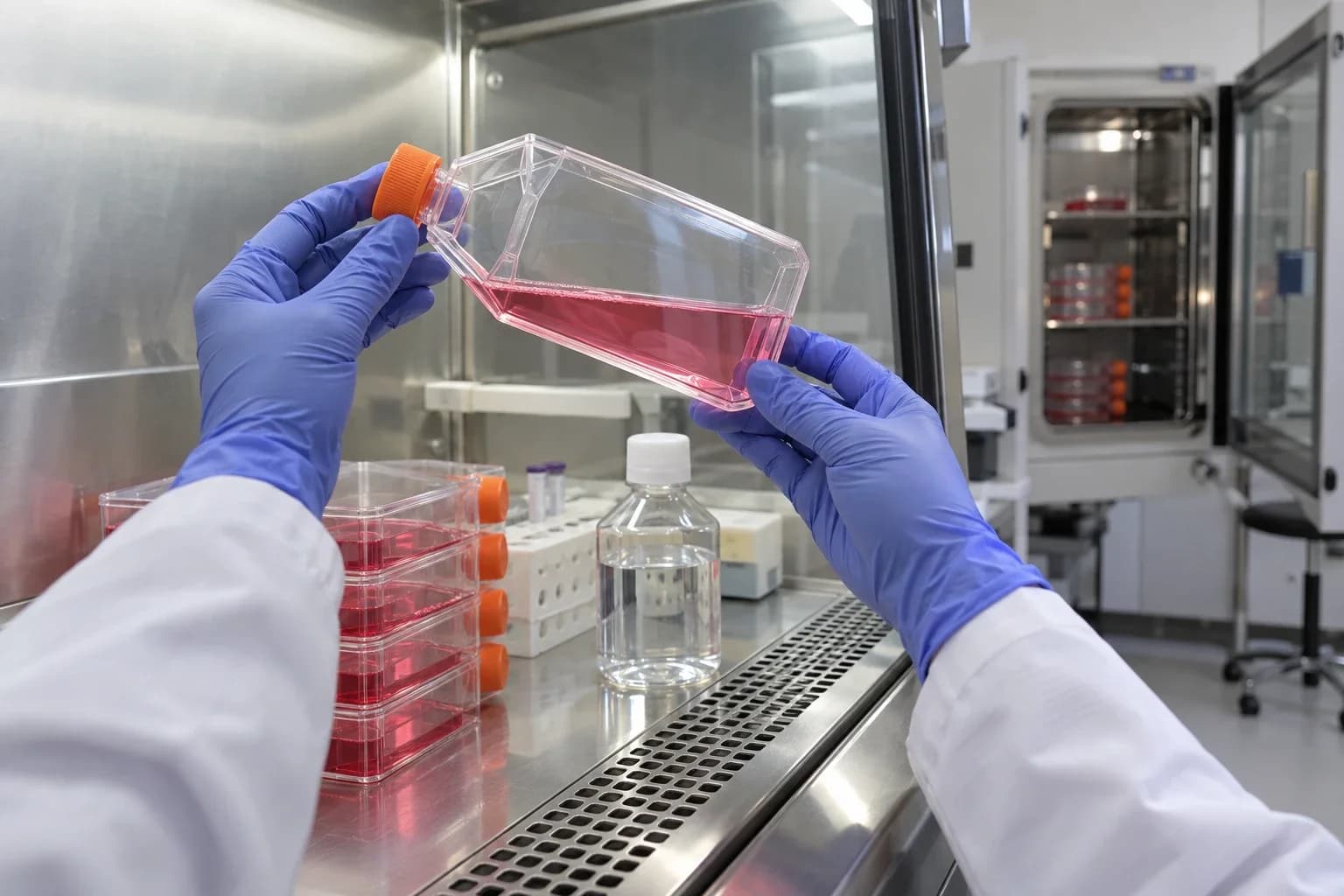
THE SITUATION AND THE PAIN POINTS
Media are the largest cost in cultivated meat: serum is expensive and conflicts with the slaughter-free promise, while chemically defined serum-free formulations rely on even costlier recombinant growth factors. Commercialisation needs nutrient sources that are food grade, available in volume and reasonably priced.
OUR APPROACH
Plant protein hydrolysates supply peptides and amino acids from food-grade raw materials, and several studies show they can maintain proliferation at reduced serum. We supply C-Cell cell-culture-grade pea, rice and soy hydrolysates, plus food-grade plant peptones and yeast extracts made under ISO 22000, from lab scale through volume supply.
- Food-grade raw materials suited to cultivated meat regulation and labelling
- Plant-derived and animal-origin-free
- Cell-culture and food grades, one source from R&D to production
- Stock in Taiwan with volume supply
Recommended products
Listed automatically from product tags; open a product to add it to a quote request.
Frequently asked questions
01What is the difference between cell-culture grade and food grade?
Cell-culture grades are ultrafiltered, have an endotoxin specification and are validated on cell lines, suiting R&D and demanding processes; food grades cost less and come in volume, suiting cost reduction at scale. Build the formulation on a cell-culture grade, then evaluate a food-grade substitute.
02Is there data on fish or avian cells?
A Virginia Tech study tested plant and microbial hydrolysates on fish embryonic stem cells; see the knowledge article. For other species, test with samples.