
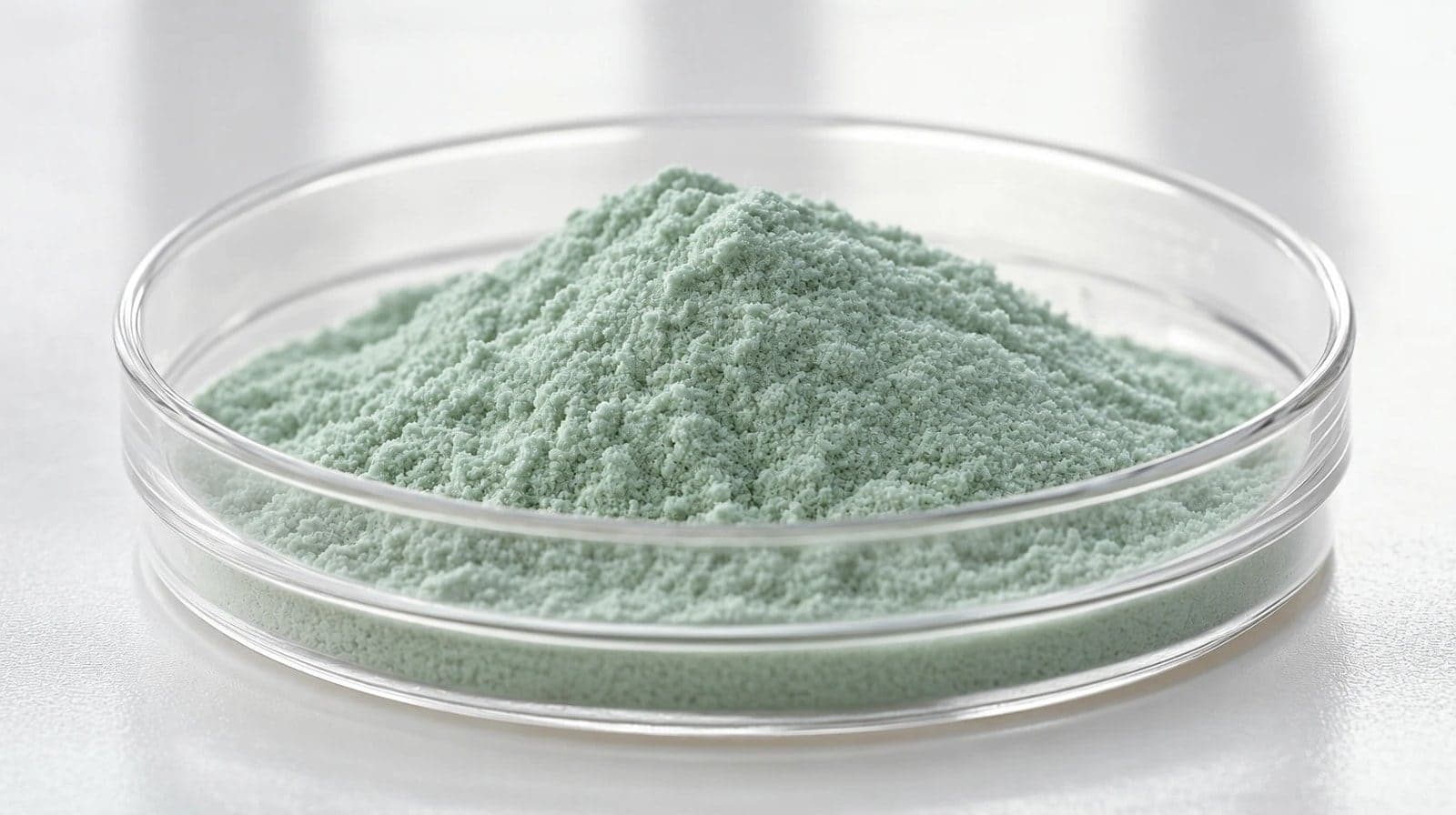
 Illustrative image only. Actual product may vary.
Muller-Kauffmann Tetrathionate-Novobiocin Broth Base
Also known as:MKTTn · MKTTn Broth Base · Muller-Kauffmann Tetrathionate Broth Base · MKTT Broth Base · Tetrathionate Broth Base (Muller-Kauffmann)
For the selective enrichment of Salmonella species from food, animal feed, and environmental samples, following the addition of iodine-iodide solution and novobiocin.
- Category
- Dehydrated Culture Media
- Dissolve per litre
- 89.49 g
- Pack sizes
- 500 g · 5 kg · 25 kg
Data updated:2026-11-06
Overview
Muller-Kauffmann Tetrathionate-Novobiocin Broth Base (MKTTn) is one of the selective enrichment broths specified by ISO 6579-1 for Salmonella: iodine solution added before use generates tetrathionate, bile salts and brilliant green suppress competing flora, and novobiocin suppresses Proteus. It is run in parallel with RVS broth, each then streaked on XLD and a second isolation plate. The formulation differs from the tetrathionate broth (TT) of the Taiwan FDA method and the FDA BAM; prepare TT as those methods direct. A base formulation; add iodine and novobiocin per the method.
Principle
Tetrathionate broth was introduced by Muller and modified by Kauffmann, who added brilliant green and ox bile to increase its selectivity for Salmonella.¹ʼ² Meat extract and enzymatic digest of casein supply nitrogen, amino acids, vitamins, and growth factors, and sodium chloride maintains the osmotic equilibrium. On addition of the iodine-iodide solution, sodium thiosulphate is oxidised to tetrathionate. Organisms possessing tetrathionate reductase, including Salmonella, are able to utilise tetrathionate, whereas most competing enteric bacteria are inhibited. Calcium carbonate neutralises the acid produced during the reduction of tetrathionate. Ox bile and brilliant green inhibit Gram-positive bacteria and many coliforms, and novobiocin suppresses Proteus species, which also reduce tetrathionate. Enrichment cultures are subcultured onto selective plating media for isolation.³
Directions
Suspend 89.39 g of powder in 1 L of purified water. Heat with continuous stirring and bring to the boil for 1 minute. DO NOT AUTOCLAVE. Cool below 45°C and aseptically add 20 mL of iodine-iodide solution and novobiocin to a final concentration of 40 mg/L. Mix well and dispense into sterile tubes or flasks while swirling to keep the calcium carbonate in suspension. Use the complete medium on the day of preparation. Test the finished medium for performance using stable, standard control cultures.
Product highlights
- Manufactured to the standard formulation, 89.49 g per litre
- Available in 500 g / 5 kg / 25 kg, from laboratory to industrial scale
- COA, specification sheet, and technical data sheet available; samples on request
- Manufactured in Taiwan with reliable supply
Frequently asked questions
01How much powder per litre?
Use 89.49 g per litre of deionised water; preparation and sterilisation conditions are given on the specification sheet.
02Which organisms is it suitable for?
Enterobacteriaceae, Gram-negative, Pathogens, Salmonella. See the cultural response table and the specification sheet.
03How is this product prepared?
Suspend 89.39 g of powder in 1 L of purified water. Heat with continuous stirring and bring to the boil for 1 minute. DO NOT AUTOCLAVE. Cool below 45°C and aseptically add 20 mL of iodine-iodide solution and novobiocin to a final concentration of 40 mg/L. Mix well and dispense into sterile tubes or flasks while swirling to keep the calcium carbonate in suspension. Use the complete medium on the day of preparation. Test the finished medium for performance using stable, standard control cultures.
04How do I request a bulk quotation, and can you provide a COA?
Yes. This product is available in 500 g, 5 kg, 25 kg. Tell us your application and volume when requesting a quotation; we reply within one working day and can supply the COA, specification sheet, and technical data sheet.
References
- 1. Muller L., 1923. Un nouveau milieu d'enrichissement pour la recherche du bacille typhique et des paratyphiques. C. R. Soc. Biol. (Paris), 89:434-437.
- 2. Kauffmann F., 1935. Weitere Erfahrungen mit dem kombinierten Anreicherungsverfahren für Salmonellabacillen. Z. Hyg. Infektionskr., 117:26-32.
- 3. ISO 6579-1, Microbiology of the food chain — Horizontal method for the detection, enumeration and serotyping of Salmonella — Part 1: Detection of Salmonella spp., International Organization for Standardization, Geneva.