
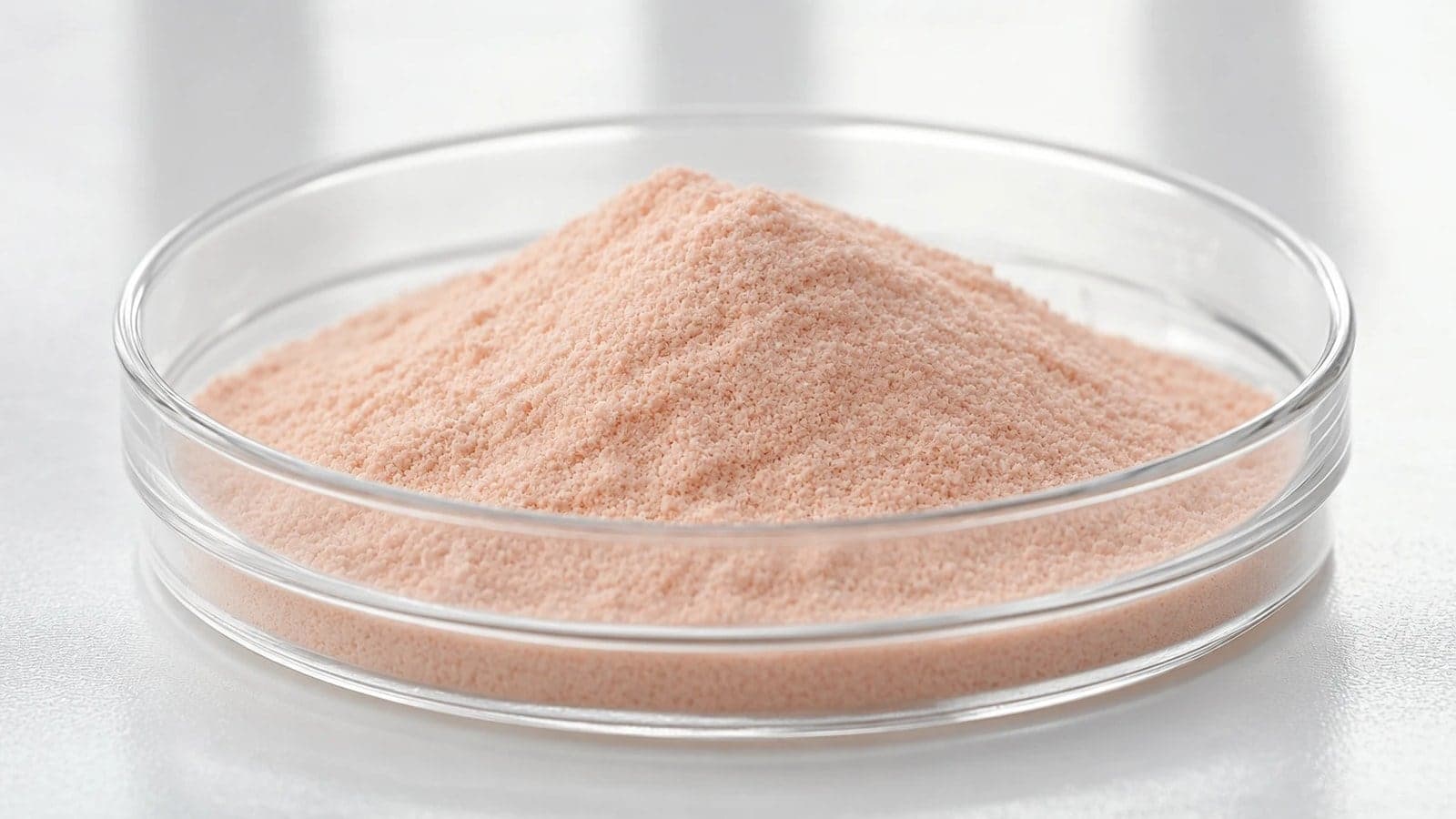
 Illustrative image only. Actual product may vary.
Phenol Red Broth Base
Also known as:Phenol Red Broth · PR Broth Base · Phenol Red Carbohydrate Broth Base · Phenol Red Base Broth
- Category
- Dehydrated Culture Media
- Dissolve per litre
- 15.02 g
- Pack sizes
- 500 g · 5 kg · 25 kg
Data updated:2026-11-06
Overview
Phenol Red Broth Base is a base medium to which supplements are added per the method, a biochemical identification medium read by colour change or gas production. It is with the chosen carbohydrate added, phenol red indicates acid and gas from fermentation. STBIO manufactures it from food-grade raw materials in an ISO 22000 certified facility, with a COA for every batch.
What biochemical identification media are for
Biochemical identification media reveal whether a strain can use a particular substrate, read through colour change, gas production, or a zone of clearing. They remain the basis of conventional identification and confirmatory quality control. Each medium covers one characteristic, so several are normally read together alongside known positive and negative control strains.
Product highlights
- Manufactured to the standard formulation, 15.02 g per litre
- Available in 500 g / 5 kg / 25 kg, from laboratory to industrial scale
- COA, specification sheet, and technical data sheet available; samples on request
- Manufactured in Taiwan with reliable supply
FDA BAM methods
This product corresponds to a medium used in the chapters of the US FDA Bacteriological Analytical Manual (BAM), the reference methods for FDA regulatory testing. Follow the current online edition of each chapter.
- FDA BAM Chapter 5: SalmonellaBAM Chapter 5Confirmation / biochemicalNamed in the method as:Phenol red carbohydrate broth
- FDA BAM Chapter 12: Staphylococcus aureusBAM Chapter 12Confirmation / biochemicalNamed in the method as:Phenol red carbohydrate broth
- FDA BAM Chapter 14: Bacillus cereusBAM Chapter 14Confirmation / biochemicalNamed in the method as:Phenol red glucose broth
BAM specifies methods and media formulations; it does not certify brands. Add supplements as the chapter requires, and verify media against reference strains under your quality system.
Frequently asked questions
01Does this medium meet FDA BAM methods?
BAM specifies methods and formulations, not brands. This product corresponds to a medium used in: FDA BAM Chapter 5: Salmonella(BAM Chapter 5): Confirmation / biochemical; FDA BAM Chapter 12: Staphylococcus aureus(BAM Chapter 12): Confirmation / biochemical; FDA BAM Chapter 14: Bacillus cereus(BAM Chapter 14): Confirmation / biochemical. It is manufactured to the standard formulation and ships with a COA per batch; add supplements as the chapter requires and follow the current online edition.
02How much powder per litre?
Use 15.02 g per litre of deionised water; preparation and sterilisation conditions are given on the specification sheet.
03Is there a Halal certified version of this product?
Yes. This is the standard version; a Halal certified version is also produced from food-grade raw materials with Halal documentation, for compliant sourcing in Malaysia, Indonesia, and the Middle East.
04How do I request a bulk quotation, and can you provide a COA?
Yes. This product is available in 500 g, 5 kg, 25 kg. Tell us your application and volume when requesting a quotation; we reply within one working day and can supply the COA, specification sheet, and technical data sheet.
Further reading
- FDA BAM Culture Media Cross-Reference: Which Media Each BAM Chapter Uses and the STBIO EquivalentAerobic plate count, coliforms and E. coli, Salmonella, Listeria monocytogenes, Staphylococcus aureus, Bacillus cereus, Vibrio, Clostridium perfringens, yeasts and moulds and Cronobacter: the media named in each FDA Bacteriological Analytical Manual chapter, matched to Taiwan-made dehydrated media for US laboratories qualifying a second source.
- Which Culture Media Do Taiwan FDA Food Microbiology Methods Specify? Cross-Reference for 21 Announced MethodsAerobic plate count, coliforms, E. coli, Enterobacteriaceae, Salmonella, Staphylococcus aureus, Listeria monocytogenes, lactic acid bacteria, yeasts and moulds, Bacillus cereus, Vibrio parahaemolyticus, Clostridium perfringens and Cronobacter: the media named in each Taiwan FDA (TFDA) announced method, matched to Taiwan-made products.